
Meditation for Beginners in 2026

Paul Gelderloos
Meditation for Beginners in 2026
22:32
Key Takeaways: Meditation for Beginners
- Meditation for beginners doesn’t have to be difficult—the right technique makes the difference between struggling and practicing effortlessly.
- Most beginners give up because they see concentration as the goal, whereas the mind naturally tends toward stillness.
- A consistent routine of 20 minutes twice a day yields the best results for stress reduction and mental clarity.
- Transcendental Meditation (TM) offers an effortless approach that can be practiced anywhere, anytime, without apps or external guidance.
- Scientific research shows that regular meditation reduces cortisol by 30% and significantly alleviates anxiety symptoms.
What is meditation, and why is it so popular?
Meditation is a mental practice in which you turn your attention inward to achieve a state of calm and clarity. This sounds simple, but millions of people struggle daily with the question: how do you actually do it?
The popularity of meditation has grown tremendously in recent years. People are looking for ways to reduce stress, sleep better, and find more balance in their busy lives. Yet a large proportion of beginners give up after just a few weeks.
The problem often isn’t a lack of motivation, but rather the approach. Many popular methods require concentration or actively controlling one’s thoughts. For beginners, this feels like an extra task piled on top of an already packed schedule.
Why Beginners Often Stop Meditating
One of the biggest misconceptions about meditation is that you have to control your thoughts. As soon as you try not to think about anything, the exact opposite happens: your mind becomes filled with distracting thoughts.
This leads to frustration. You start to wonder if you’re doing it right, or if meditation is even for you. Research shows that this is one of the main reasons people give up.
Another common mistake is having unrealistic expectations. Beginners often expect immediate results, while the benefits build up gradually. Patience is essential, but that also requires a technique that’s enjoyable enough to stick with.
The Five Most Common Beginner Mistakes
The first mistake is meditating for too long. Beginners often think that longer sessions yield better results. In reality, this leads to discomfort and resistance. Start with short sessions and build up gradually.
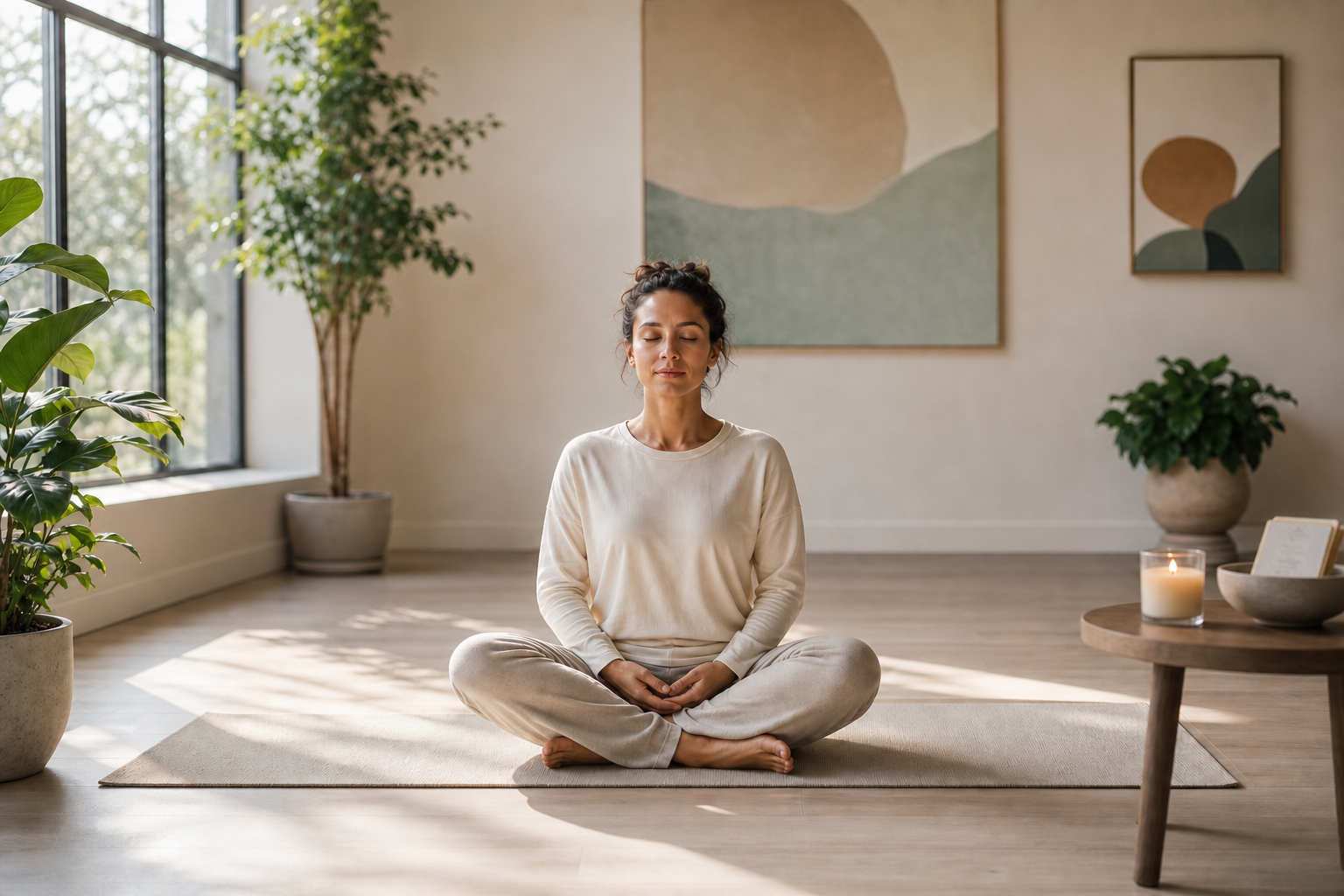
The second mistake is choosing an uncomfortable posture. You don’t have to sit in the lotus position. A comfortable chair works just fine. It’s about inner peace, not physical acrobatics.
The third mistake is meditating at irregular times. Without a set routine, meditation is easily forgotten. Tie your meditation to an existing habit, such as after getting up or before dinner.
The fourth mistake is judging yourself during meditation. Thoughts come and go—that’s normal. It’s not a failure if you notice your mind wandering. Returning to your focus is precisely the exercise.
The fifth mistake is becoming dependent on external aids. Apps and audio guides can help you get started, but they often create dependency. A technique you can practice without aids gives you more freedom.
Different Meditation Techniques Explained
There are dozens of forms of meditation, each with its own approach and goal. For beginners, it’s important to understand what each technique requires so you can make an informed choice.
Concentration Meditation
In concentration meditation, you focus your attention on a single object, such as your breath, a candle, or a mantra. Whenever your thoughts wander, you bring your focus back to this object.
This form of meditation requires active effort. It works well for some people, but beginners often find it tiring. It feels like a task you have to complete.
Mindfulness Meditation
Mindfulness is about being consciously present in the moment. You observe your thoughts, feelings, and physical sensations without judgment. The goal is acceptance and awareness.
This technique has become popular through apps and online courses. The advantage is that you can practice it anywhere. The downside is that it can be difficult for beginners to observe their thoughts without getting carried away by them.
Transcendental Meditation
Transcendental Meditation (TM) differs from other techniques in that it requires no concentration or control. The technique uses a personal mantra that you recite in a specific way to allow the mind to naturally come to rest.
TM is taught by certified teachers in one-on-one sessions. This ensures that you learn the technique correctly and have any questions answered immediately. After the course, you can practice the technique completely on your own, without apps or audio.
More than 400 scientific studies confirm the benefits of TM for stress, blood pressure, sleep, and overall health. The technique is particularly suitable for beginners who have difficulty concentrating.
Guided Meditation
In guided meditation, you listen to a voice that guides you through the meditation. This can be done via an app, video, or live session. The advantage is that you know exactly what to do.
The downside is the reliance on external guidance. Without your phone or headphones, you can’t meditate. This limits when and where you can practice the technique.
How do you choose the right meditation technique for you?
The best technique is the one you actually stick with. This sounds simple, but many people choose a method that doesn’t suit them and then give up on meditation altogether.
Ask yourself a few questions. Do you like following instructions, or do you prefer to be independent? Can you easily observe your thoughts, or do you get distracted quickly? Do you have trouble concentrating?
If you have trouble concentrating or letting go of thoughts, an effortless technique like TM might be a good choice. This technique works with the mind’s natural tendency to settle into stillness, rather than fighting against it.
Building a sustainable, effortless routine
The key to a successful meditation practice is consistency, not perfection. A short daily session is more beneficial than a long session once a week.
The ideal frequency and duration
For optimal results, 20 minutes twice a day is recommended. This may sound like a lot, but the time you invest pays for itself in the form of higher productivity, better focus, and more energy throughout the day.
Just starting out with meditation? Begin with shorter 10-minute sessions and build up gradually. The most important thing is to meditate every day, even if it’s just for a short time.
The best time to meditate
Morning meditation helps you start the day with clarity. You haven’t built up any stress yet, and your mind is fresh. Many people find this to be the ideal time.
A second session at the end of the workday helps you release the tension that has built up. This marks the transition from work to personal time and improves your sleep at night.
Choose set times that fit into your schedule. Link meditation to existing habits such as getting up, coming home from work, or before dinner. This makes it easier to stick to the routine.
Creating a Suitable Space
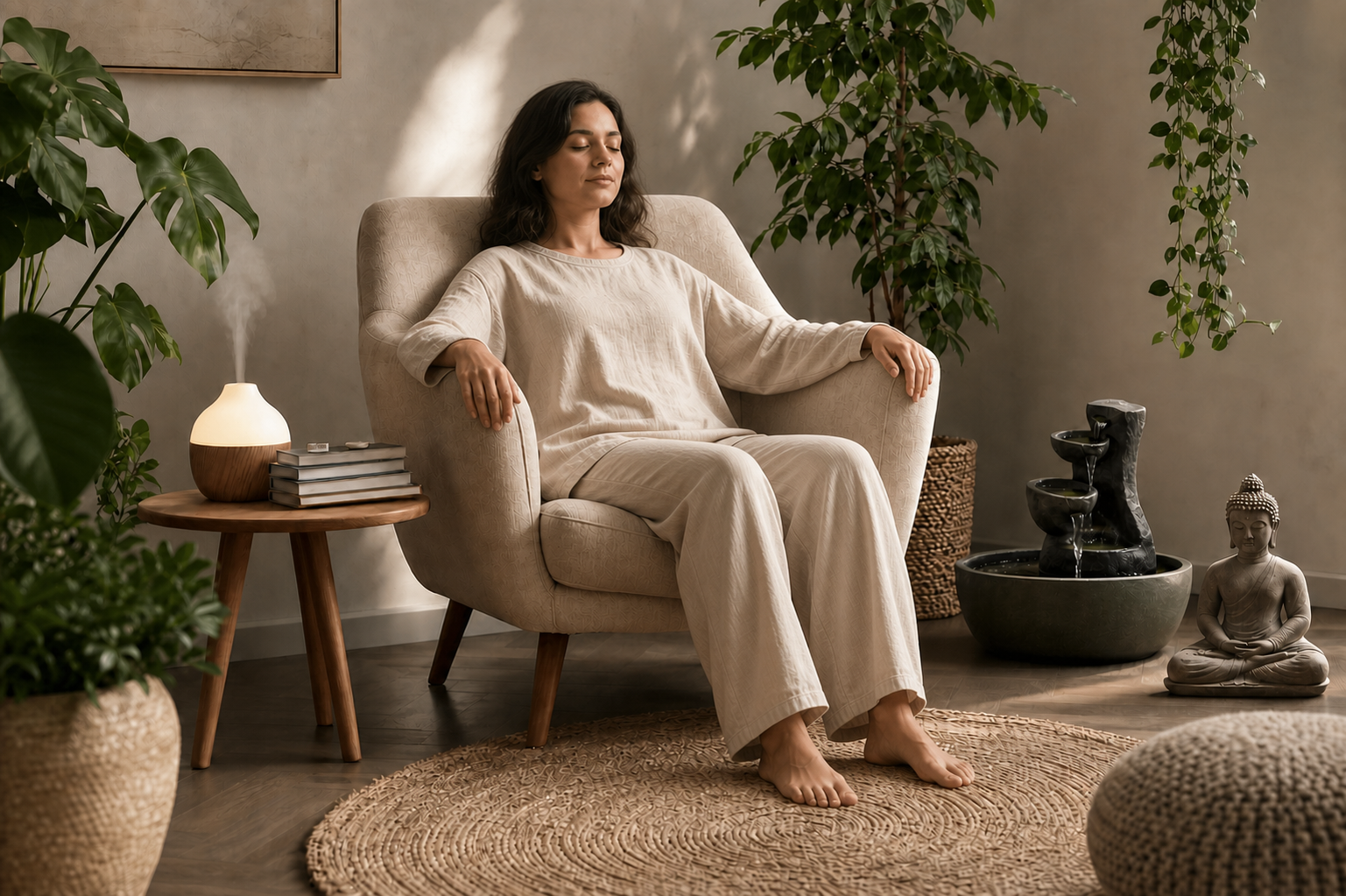
You don’t need to set up a special meditation room. A quiet corner in your home is enough. The most important thing is that you can sit undisturbed.
Put your phone on airplane mode or leave it in another room. Let your housemates know you’re unavailable for a little while. These small adjustments make a big difference.
What Science Says About Meditation for Beginners
Scientific research on meditation has grown tremendously in recent decades. The results are consistent and encouraging, especially for people struggling with stress and anxiety.
Effects on Stress and Cortisol
Cortisol is the main stress hormone in your body. Chronically elevated cortisol levels lead to fatigue, sleep problems, and a weakened immune system.
Research shows that regular meditation significantly lowers cortisol. Studies on TM show an average reduction of 30%. This explains why practitioners feel calmer and more balanced.
Changes in the Brain
Neuroimaging studies show that meditation causes measurable changes in the brain. The prefrontal cortex, responsible for decision-making and emotion regulation, shows increased activity.
At the same time, activity in the amygdala—the brain’s fear center—decreases. This explains why meditators cope better with stressful situations.
Effects on Blood Pressure and Heart Health
The American Heart Association recognizes meditation as a potential complementary treatment for high blood pressure. Studies show significant reductions in both systolic and diastolic blood pressure.
Long-term research shows that regular meditation reduces the risk of cardiovascular disease. This is due not only to lower blood pressure but also to reduced inflammatory responses.
Meditation Without an App or Device: Why Independence Matters
Apps can offer a good introduction to meditation. They provide structure and guidance when you’re still learning the ropes. However, there are drawbacks to app-dependent meditation.
The first drawback is practical: you always need your phone. Do you want to meditate during a lunch break without your phone? Or on a plane without Wi-Fi? Then you’re stuck.
The second drawback runs deeper. Apps keep your attention focused outward. You’re listening to instructions instead of turning inward. This can limit the deep sense of peace that meditation offers.
Transcendental Meditation teaches you a technique you can practice completely on your own. After the instruction period, you won’t need any apps, audio, or external guidance. You can meditate anywhere: at home, at the office, in the park, or while traveling.
Debunking Common Misconceptions About Meditation
There are persistent myths about meditation that scare off beginners or lead them astray. Let’s debunk the most common misconceptions.
Misconception 1: You have to stop your thoughts
The goal of meditation is not to stop your thoughts. That’s impossible and only leads to frustration. Thoughts are a natural byproduct of an active mind.
It’s about how you deal with thoughts. In some techniques, you observe them without judgment. In TM, you simply let them pass by as your mind naturally drifts into a deeper state of calm.
Misconception 2: Meditation is only for spiritual people
Meditation has historical roots in spiritual traditions, but you don’t have to be spiritual to benefit from it. Many people meditate purely for the health benefits.
The scientific basis for meditation is grounded in measurable physiological effects: lower cortisol levels, altered brainwave patterns, and reduced blood pressure. These are objective results that have nothing to do with belief.
Misconception 3: You need to meditate for hours every day
Some meditation masters do indeed meditate for hours on end, but that’s not necessary to achieve significant benefits. Twenty minutes twice a day is enough to produce measurable results.
In fact, shorter, regular sessions are more effective than long, irregular ones. Consistency is more important than duration.
Misconception 4: You have to sit still in the lotus position
The classic meditation posture with crossed legs is optional. You can meditate just fine in a comfortable chair with your feet flat on the floor.
The most important thing is to sit comfortably so that physical discomfort doesn’t distract you. A straight back helps you stay alert, but don’t force yourself into an unnatural posture.
Misconception 5: Results only come after years
Some benefits of meditation are immediately noticeable. Many beginners experience a sense of calm and clarity after just their first session.
The deeper benefits do indeed build up over time. But this doesn’t mean you have to wait years. Studies show measurable changes after just a few weeks of regular practice.
How to Overcome Resistance and Doubt as a Beginner
It’s normal to feel resistance to meditation. You’re busy, you’re not sure if it works, or you find it uncomfortable to sit still. These feelings are universal among beginners.
Dealing with a Busy Mind
A busy mind isn’t a sign that meditation isn’t working. On the contrary, it’s a sign that you’re becoming aware of thoughts that have always been there. This awareness is the first step toward change.
With the right technique, you don’t have to fight your busy mind. TM, for example, works with the mind’s natural tendency. Instead of suppressing thoughts, you give the mind a more subtle focus toward which it naturally gravitates.
When You Think You Don’t Have Time
The most stressed-out people need meditation the most, yet they also claim to have the least time. This is a paradox that resolves itself as soon as you begin.
The 40 minutes you spend meditating each day will pay off in the form of higher productivity, better focus, and less time wasted due to stress and distractions. Many practitioners discover that they actually get more done with meditation than they did before.
Doubts about whether you’re doing it right
Doubts are normal, especially with methods you learn on your own through books or apps. You have no one to ask if you’re doing it correctly.
This is one of the benefits of personal instruction. With TM, you learn the technique from a certified teacher who answers your questions and helps you resolve any uncertainties. After the course, you have lifetime access to guidance.
Integrating Meditation into Your Daily Life
Meditation is not an isolated activity. The peace and clarity you experience during meditation carry over into your daily life.
Meditation and Work
Many professionals meditate before work to start their day with focus and calm. This helps them see their priorities clearly and respond less reactively to stress.
Some companies offer meditation programs for employees. Research shows that meditation in the workplace leads to higher productivity, lower absenteeism, and better collaboration.
Meditation and Relationships
Stress affects how you interact with others. When you’re stressed, you’re more likely to react with irritation and listen less attentively. Meditation breaks this pattern.
Practitioners notice that they become more patient, listen better, and are less likely to get into conflicts. This improves relationships with partners, children, friends, and coworkers.
Meditation and Physical Health
The mental benefits of meditation translate into physical health. Lower stress means a better-functioning immune system, less inflammation, and better sleep.
Many practitioners make healthier choices the longer they meditate. They eat more mindfully, exercise more, and are less likely to turn to alcohol or other substances to relax.
The Role of a Teacher in Learning Meditation
You can learn meditation in various ways: through books, apps, online courses, or in-person instruction. Each method has its pros and cons.
Self-guided learning through books and apps
Books and apps offer accessible introductions to meditation. They’re inexpensive or free, and you can learn at your own pace.
The downside is that you don’t receive any feedback. If you’re doing something wrong, you won’t realize it until you don’t see any results. This can lead to frustration and may cause you to give up.
Online courses and videos
Online courses offer more structure than books. You get step-by-step instructions and often a community of fellow students.
However, you miss out on personal interaction. You can’t ask questions specific to your situation. And without personal guidance, your motivation to stick with it may wane.
In-person instruction
Personal instruction offers the advantage of immediate feedback and individual attention. An experienced teacher can answer your questions, correct you when necessary, and help you overcome obstacles.
In TM, the technique is always taught by certified teachers. The TM course includes personal instruction, follow-up sessions, and lifelong support. This ensures that you learn the technique correctly and continue to practice it.
What to Expect in the First Weeks of Meditation
The first few weeks of meditation are a period of adjustment. Your experiences may vary from session to session, and that’s normal.
Weeks 1–2: Introduction
In the first two weeks, you’ll learn the basics. You’ll get used to sitting, closing your eyes, and turning your attention inward. Some sessions will feel calm, others restless.
This is the phase when many beginners have doubts. You wonder if you’re doing it right, if you’re relaxing enough, or if you’re even cut out for meditation. These doubts are normal and will pass.
Weeks 3–4: The Routine Takes Shape
After a few weeks, meditation begins to become part of your day. You don’t have to think about it as much—you just do it.
In this phase, many people notice the first benefits. You feel calmer during the day, sleep better, or react less intensely to stressful situations.
After a month: Deepening
After a month of regular practice, the benefits start to become more apparent. The effects of meditation build up, just like with exercise.
This is also the time to discuss any questions you may have with a teacher. Small adjustments can improve your practice and enhance the benefits.
Long-Term Benefits of a Meditation Practice
The immediate benefits of meditation—calmness, focus, relaxation—are just the beginning. The long-term benefits go much deeper.
Emotional Resilience
Regular meditation builds emotional resilience. You learn to cope with setbacks without feeling overwhelmed. Problems feel less overwhelming.
This is because meditation changes the way your brain responds to stress. The automatic stress response is dampened, giving you more space to respond consciously.
Improved Concentration and Creativity
Meditation trains your ability to focus your attention. This translates into better concentration in your work, studies, or hobbies.
Many practitioners also experience increased creativity. The calm state that meditation creates makes room for new insights and ideas that wouldn’t have a chance in a busy mind.
Long-term physical health
The health benefits of meditation become more pronounced the longer you practice. Research shows that long-term meditators have a lower risk of cardiovascular disease, a better-functioning immune system, and less chronic pain.
This makes meditation not only a mental practice but also an investment in your physical health for years to come.
Conclusion: Your First Step Toward Effortless Meditation
Meditation for beginners doesn’t have to be difficult. With the right technique and a realistic approach, you can build a practice that enriches your life.
Avoid common mistakes: don’t force concentration, don’t set expectations too high, and don’t become dependent on apps. Choose a technique that suits you and that you can practice without aids.
If you struggle with concentration or letting go of thoughts, Transcendental Meditation is a proven alternative. The technique is effortless, scientifically validated, and supported by lifelong guidance. You can learn more by attending a free information session at a TM center near you.
The best time to start is now. Every day you wait is a day without the peace and clarity that meditation can offer you.
Frequently Asked Questions About Meditation for Beginners
How much time does meditation take each day?
Most techniques recommend between 10 and 20 minutes per session. With TM, the recommendation is 20 minutes twice a day. This may sound like a lot, but the time pays for itself through increased productivity and reduced stress throughout the day.
Can anyone learn to meditate?
Yes, meditation is suitable for virtually everyone. You don’t have to be spiritual, flexible, or particularly patient. TM was even developed to be effortless—the technique works regardless of your beliefs or previous experience with meditation.
What if I can’t stop thinking during meditation?
You don’t need to stop your thoughts. Thoughts are normal and are part of meditation. With Transcendental Meditation, you simply let thoughts pass by as your mind naturally moves toward deeper rest. There’s no need to struggle with your thoughts.
How long will it take before I notice results?
Some people notice greater calm immediately after their first session. Other benefits, such as better sleep and reduced anxiety, often become apparent within a few weeks. The deeper benefits build up over months and years of regular practice.
Is it possible to meditate without an app or guidance?
Absolutely. TM is a technique that you can practice completely on your own after the instruction period. You don’t need a phone, headphones, or an internet connection. This makes the technique exceptionally flexible—you can meditate anywhere, anytime.
What is the difference between TM and mindfulness?
Mindfulness revolves around being consciously present and observing thoughts without judgment. TM uses a personal mantra to effortlessly guide the mind toward deeper rest, without concentration or observation. The brainwave patterns and physiological effects differ measurably between the two techniques.
Does meditation help with sleep problems?
Yes, research shows that meditation improves sleep quality. By reducing stress and cortisol, you help your body wind down more easily in the evening. Many TM practitioners report that they fall asleep faster and sleep more deeply.